7 Steps to Start Investing in Crypto as a Complete Beginner
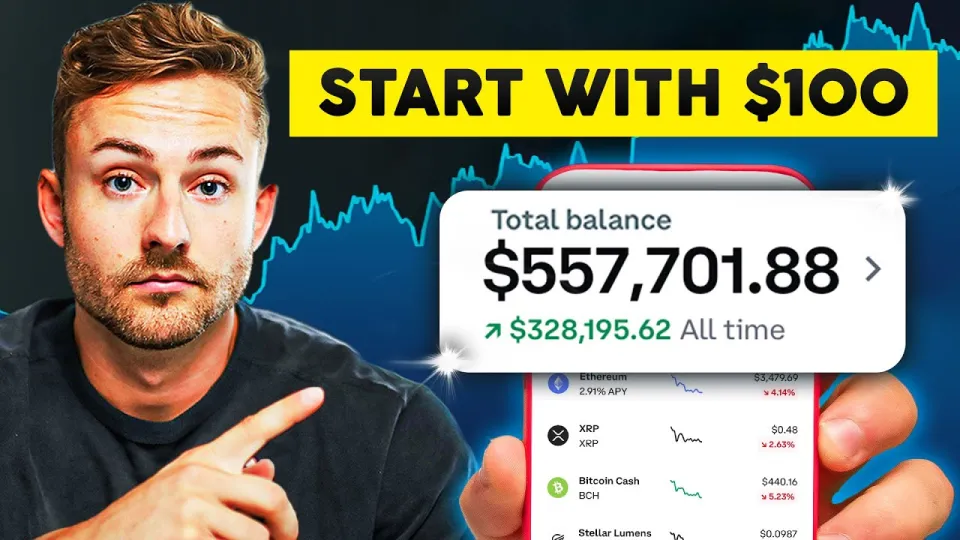
Video: How To Invest in Crypto as A COMPLETE Beginner [2025 GUIDE]
You can order the same kind of articles for your own video to boost it on YouTube and Google. Just message the Telegram bot @sat_sit_bot. The bot writes and publishes the articles itself (with your YouTube video embedded) on popular topical websites (no ads). Free trial — 50 articles.
· based on the channel Craig Percoco
Learning how to invest in crypto as a complete beginner comes down to seven repeatable steps: understand what a blockchain actually is, study fundamentals, study technicals, define how you will make money, buy and sell safely, stay organized, and manage risk before chasing returns. None of these steps requires a finance degree, but skipping any of them is how most new investors lose money in their first cycle. Craig Percoco, who has spent seven years trading and investing, lays out this exact path in his beginner guide, and free trading lessons are available through the free trading education link.
What crypto actually is and why beginners should care
Crypto is a market of digital assets that settle on blockchains, and its appeal for a beginner is that it is still an emerging market with room to grow. Bitcoin, Ethereum and thousands of altcoins trade 24 hours a day, seven days a week, with no closing bell and no central exchange floor. That structure creates opportunity and also removes the natural pauses that protect stock investors from impulsive decisions.
The basic vocabulary matters more than it seems. A blockchain is a public ledger; a coin is the native asset of its own network (BTC on Bitcoin, ETH on Ethereum); a token is an asset issued on top of another chain. Wallets come in two forms: custodial, where an exchange holds your keys, and self-custody, where you hold a seed phrase and are solely responsible for it. Before buying anything, decide which model fits you, because losing a seed phrase is identical to losing the funds.
The fundamentals that separate projects from hype
Fundamental analysis in crypto means answering a few concrete questions about a project before you put money in. Tokenomics is the first: how many coins exist, how many will exist, and on what schedule new supply is released. A token with heavy unlocks or unlimited inflation fights against its own price. The second question is utility: does the network do something people pay for, such as settling payments, securing data or hosting applications?
The third is the team and its track record, and the fourth is liquidity, meaning whether you can enter and exit a position without moving the price against yourself. A coin with a small market cap can double quickly and collapse just as fast. Beginners are usually better served by concentrating on the two largest, most liquid assets while they learn, then expanding into altcoins once they can read a supply schedule and a token unlock calendar without help.
Technical analysis for people who have never read a chart
Technical analysis is the study of price and volume to decide when to buy and sell, and a beginner needs only a small toolkit. Start with the higher timeframes: daily and weekly candles show the real trend, while one-minute charts are mostly noise. Learn to mark support and resistance, the price zones where buyers and sellers have repeatedly stepped in, and learn what a trend looks like: higher highs and higher lows for an uptrend, the reverse for a downtrend.
Volume confirms moves. A breakout on weak volume is the classic false signal that traps new traders, a pattern many frustrated investors describe after weeks of chasing small, failed trades. Two or three indicators are enough; adding more usually produces contradictory signals. Charting platforms such as TradingView, which the guide recommends, let you practice marking levels on historical data for free before any money is at risk.
How you actually make money in crypto
There are only a few honest ways to make money in this market, and they differ in effort and risk. The first is buying and holding spot assets over a long horizon, which requires patience and a thesis but no screen time. The second is swing trading, holding positions for days or weeks around major levels. The third is active day trading, which is the most demanding and where leverage destroys most beginners.
A workable beginner sequence is: buy spot, size positions so that a single loss never exceeds a small fixed percentage of the account, and write down the reason for every trade before entering it. Leverage and futures should wait until you have a track record of at least several months of consistent, journaled decisions. The market rewards patience far more than activity, and the investors who compound are usually the ones who trade least.
How to buy and sell crypto safely
Buying crypto starts with choosing a regulated exchange that supports your country and your bank, completing identity verification, and funding the account with a bank transfer or card. Card purchases are fast but carry higher fees; bank transfers are slower and cheaper. Once funded, place a limit order at your chosen price rather than a market order if you want control over the fill.
After the purchase, move long-term holdings to self-custody if the amount justifies it, and keep only trading capital on the exchange. Selling works in reverse, but plan the exit before you buy: decide in advance at what price you take profit and at what price you admit the trade was wrong. Withdrawal fees and network fees vary by chain, so check them before moving small amounts, where fees can eat a meaningful share of the transfer.
Staying organized and avoiding beginner mistakes
Organization is the least glamorous step and the one that most determines outcomes. Keep a trading journal with the date, the asset, the reason for entry, the position size, the stop level and the result. Review it weekly. A written plan that covers how much you invest, which assets you follow and what would make you sell removes emotion from decisions made under pressure.
The recurring failure list is short and consistent: no system, no patience, no discipline, no backtesting, no journal, poor psychology and poor risk management. Notice that only one of those is about picking the right coin. Beginners who treat crypto as a get-rich-quick route usually fund the people who treat it as a business. Treating it as a business, with rules and records, is the realistic path to being in the top percentile of investors.
All links from the guide
- Free trading education
- Crypto trading course and private team
- Discord community access
- All resources
- TradingView charting
The bottom line on starting in crypto
Crypto investing for a complete beginner is a sequence, not a lottery ticket: learn the basics, study fundamentals and technicals, choose a simple way to make money, buy and sell through a reputable exchange, and keep records that let you improve. Risk management is the thread running through every step, because surviving drawdowns is what allows compounding to work. Craig Percoco's video breakdown walks through this full path for anyone starting from zero, and the free trading education link is the natural first stop before risking real capital.
Key takeaways
- Crypto is an emerging asset class where the same few mistakes repeat: no system, no patience, no risk management.
- Beginners should master spot buying and holding before touching leverage or futures.
- Fundamental analysis covers tokenomics, supply schedules, team and real usage; technical analysis covers price structure and levels.
- A written trading plan with position sizing and a journal separates the 1% from the rest.
- Craig Percoco, a trader with seven years of experience, breaks down the full beginner path in his guide.
Source: How To Invest in Crypto as A COMPLETE Beginner [2025 GUIDE] · Markdown version
Questions & answers
How much money do I need to start investing in crypto?
There is no minimum on most exchanges, but fees make very small purchases inefficient. A practical approach is to start with an amount you could lose entirely without changing your life, and to keep position sizes small enough that one bad trade does not wipe out the account.
Do I need a mentor or paid course to trade crypto?
Not strictly, but structured education shortens the learning curve considerably. The main risk of learning alone is repeating expensive mistakes such as overleveraging or chasing false breakouts. Free resources and a journal are a reasonable starting point before paying for anything.
Is crypto trading the same as investing?
No. Investing usually means buying spot assets and holding them through volatility based on a long-term thesis. Trading means taking shorter positions around price levels, often with tighter risk controls. Beginners are generally better off starting with the investing side.
Why do so many beginners lose money in crypto?
The common causes are a lack of a system, patience, discipline, backtesting and journaling, plus weak psychology and poor risk management. Most losses come from process failures rather than from picking the wrong coin.